Navratri: A Festival of Devotion, Celebration, and Spiritual Awakening
Mythological Significance
The Nine Forms of Goddess Durga
- Day 1 – Shailaputri: daughter of the mountains, a form of purity and devotion.
- Day 2 – Brahmacharini: known for her penance, associated with discipline.
- Day 3 – Chandraghanta: peaceful in appearance, but ready to fight evil.
- Day 4 – Kushmanda: said to have created the universe with her smile.
- Day 5 – Skandamata: mother of Lord Kartikeya, worshipped for knowledge.
- Day 6 – Katyayani: a warrior form, worshipped for protection.
- Day 7 – Kalaratri: the fiercest form, said to destroy darkness and ignorance.
- Day 8 – Mahagauri: a form of purity said to cleanse her devotees.
- Day 9 – Siddhidatri: the bestower of spiritual powers (siddhis).
Spiritual Practices and Rituals
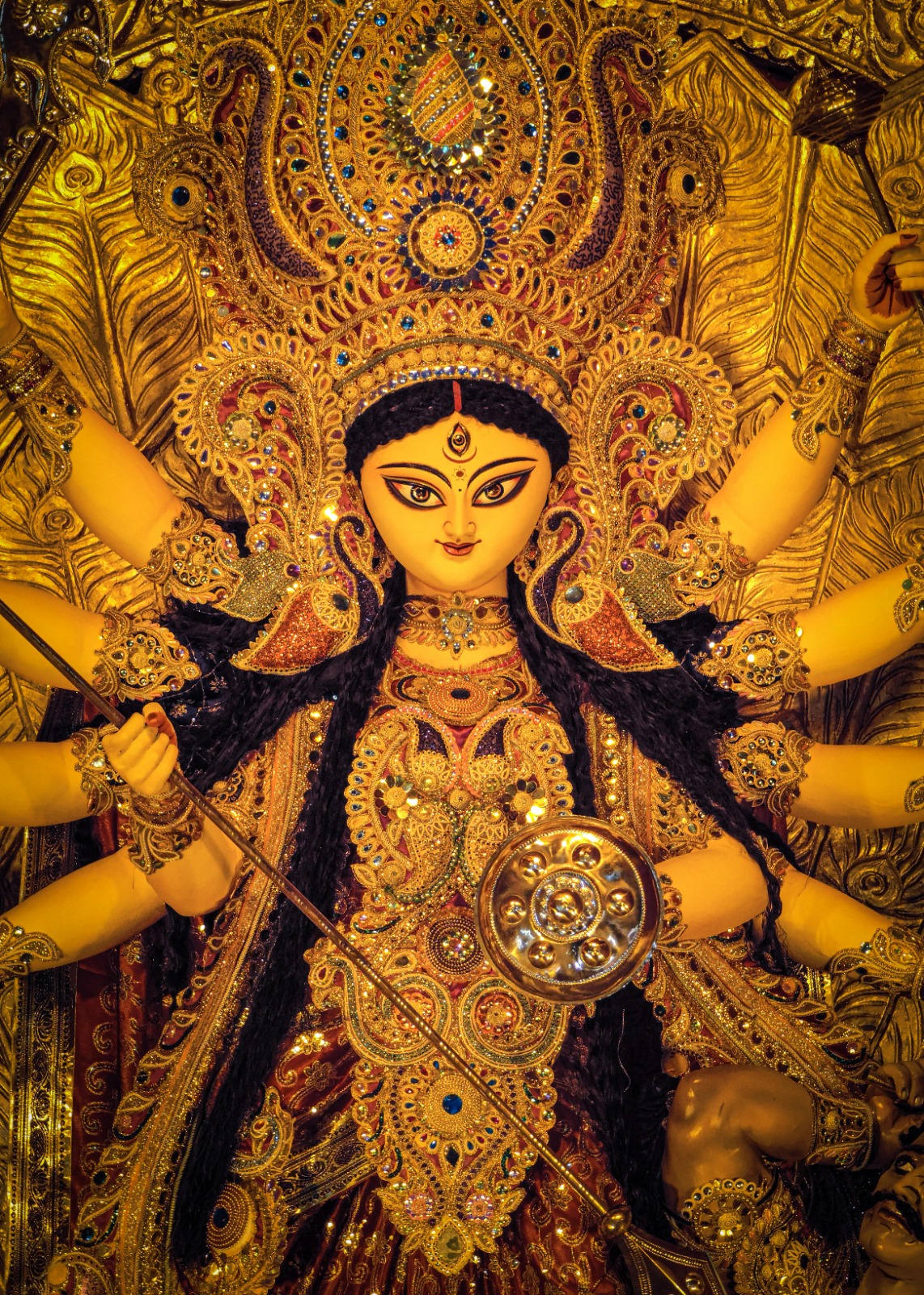
How it’s celebrated varies a lot by region. In North India, especially Uttar Pradesh and Bihar, Navratri ends with the burning of Ravana’s effigy on Dussehra, marking Rama’s victory over him. In West Bengal, the last five days are Durga Puja — large Durga idols are worshipped, then immersed in water in grand processions. In Gujarat and Maharashtra, the nights are marked instead by Garba and Dandiya Raas, folk dances that run late into the night.
Fasting and Feasting
Once the fasts are broken, Navratri is also known for its food — dishes like sabudana khichdi, kuttu puris, and various potato preparations. In many places, community meals called bhandaras are held, where food is offered to anyone who comes.
Symbolism and Contemporary Relevance
Today, Navratri is as much a social occasion as a religious one — a time for family, community, and creative expression, from elaborate Durga Puja pandals to festive Garba outfits. Whatever form it takes locally, it remains a time when people look inward, mark the passing of the old, and start again — the same idea of light overcoming darkness that runs through the festival from its oldest stories to how it’s celebrated today.