Shravan Month – The fifth month of the Hindu calendar
Shravan Month
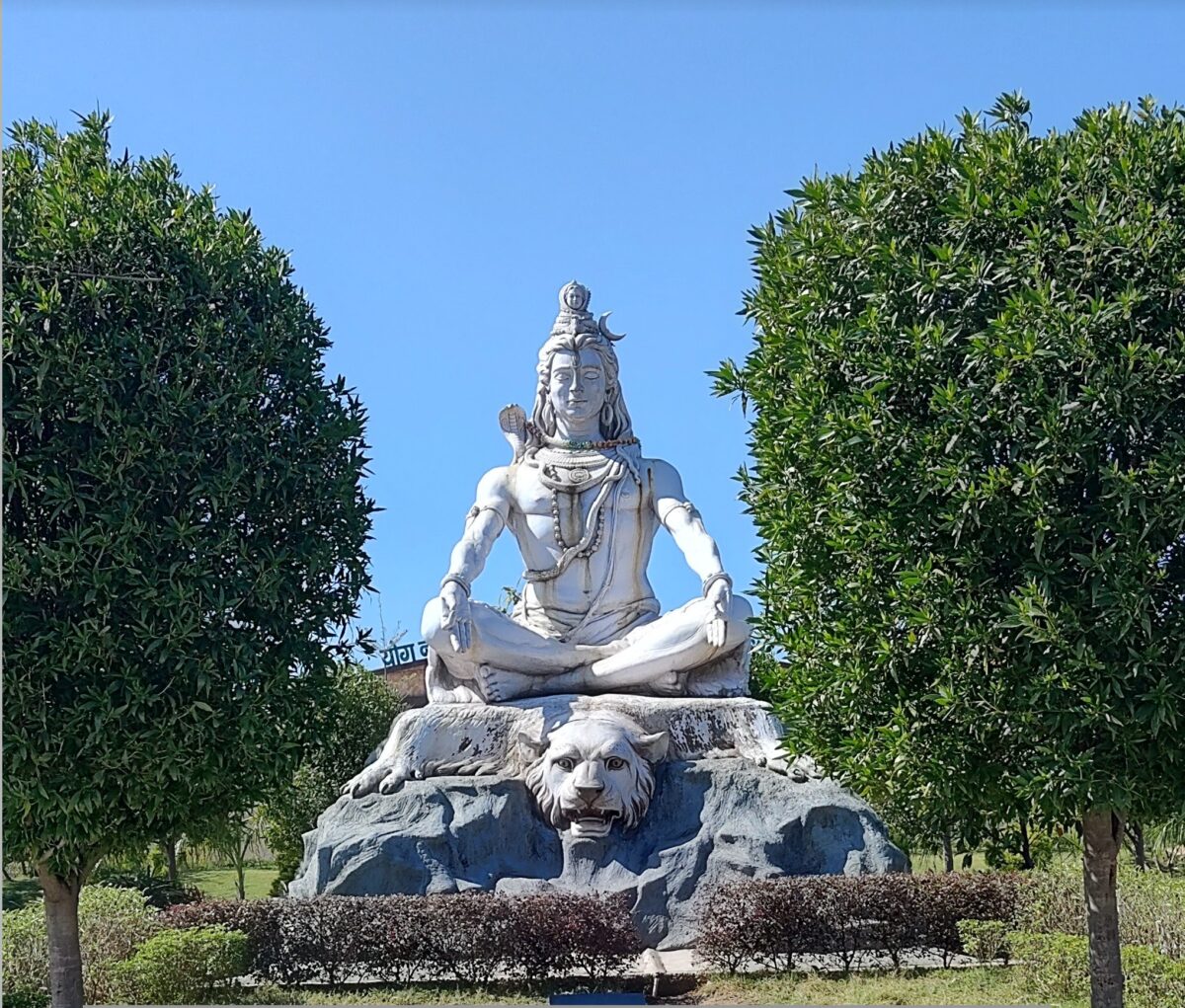
Shravan, also called Sawan, is one of the holiest months in the Hindu calendar. It usually falls between July and August, coincides with the start of the monsoon, and is dedicated to Lord Shiva. Devotees mark it with fasting, prayer, and other spiritual practices.
Spiritual Significance of Shravan
Shravan is closely tied to one story in particular: the churning of the cosmic ocean, Samudra Manthan, when the gods (Devas) and demons (Asuras) worked together to draw out the nectar of immortality (Amrit). The churning also released a deadly poison, Halahala, that threatened to destroy everything — so Shiva drank it to save the world, holding it in his throat rather than swallowing it. The poison turned his throat blue, which is why he’s also called Neelkanth. Shravan is, in large part, a month of gratitude to Shiva for that act.
Rituals and Practices
Shravan is observed with particular devotion in North and West India. Common practices include:
- Fasting: Some devotees fast every Monday of the month (Shravan Somvar); others fast for the whole month. What people eat during the fast varies — some avoid grains, meat, and alcohol; others eat only fruit and water.
- Shravan Somvar Vrat: Mondays are set aside for worshipping Shiva. Devotees visit Shiva temples to offer milk, water, and bilva leaves to the Shivling. The vrat is traditionally believed to bring marital harmony and good health.
- Kanwar Yatra: Devotees, called Kanwariyas, carry water from the Ganga in pots slung over their shoulders — often walking barefoot — to offer at Shiva temples. It’s as much a test of endurance as of devotion.
- Sawan fairs: In many parts of North India, Shravan is also a season of local fairs, decorated temples, and devotional singing.
Festivals During Shravan
Several major festivals fall within Shravan:
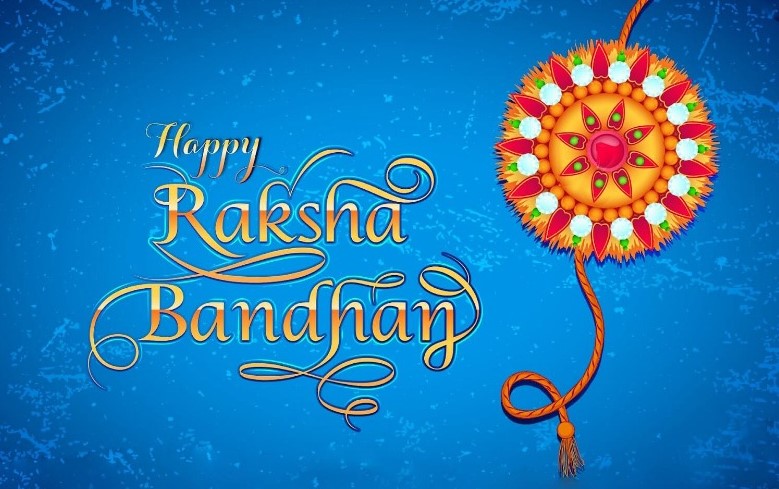
- Raksha Bandhan: on the full moon (Purnima) of Shravan — sisters tie a rakhi on their brothers’ wrists, and brothers promise protection in return.
- Nag Panchami: on the fifth day, dedicated to snakes, who are traditionally linked to Shiva. Devotees offer milk and prayers to snake idols or, in some rural areas, live snakes.
- Janmashtami: marks Krishna’s birth. Devotees fast, chant, and gather at temples for midnight celebrations.
- Teej: especially popular with women in Rajasthan, Uttar Pradesh, and Bihar, celebrating Shiva and Parvati’s union — married women pray for their husbands’ long life.
Nature and the Environment
Shravan coincides with the monsoon, so it’s also a season of rain, relief from the summer heat, and a visibly greener landscape. Many devotees pray during this month for good rains and a strong harvest — Shravan connects Shiva’s story to the practical rhythm of the farming year around it.